



Home/Specialties/Revision Replacement

Procedure Detail

Revision Hip, Knee, and Shoulder Replacement

Revision replacement addresses problems with a prior hip, knee, or shoulder replacement, including pain, instability, infection, loosening, or wear.

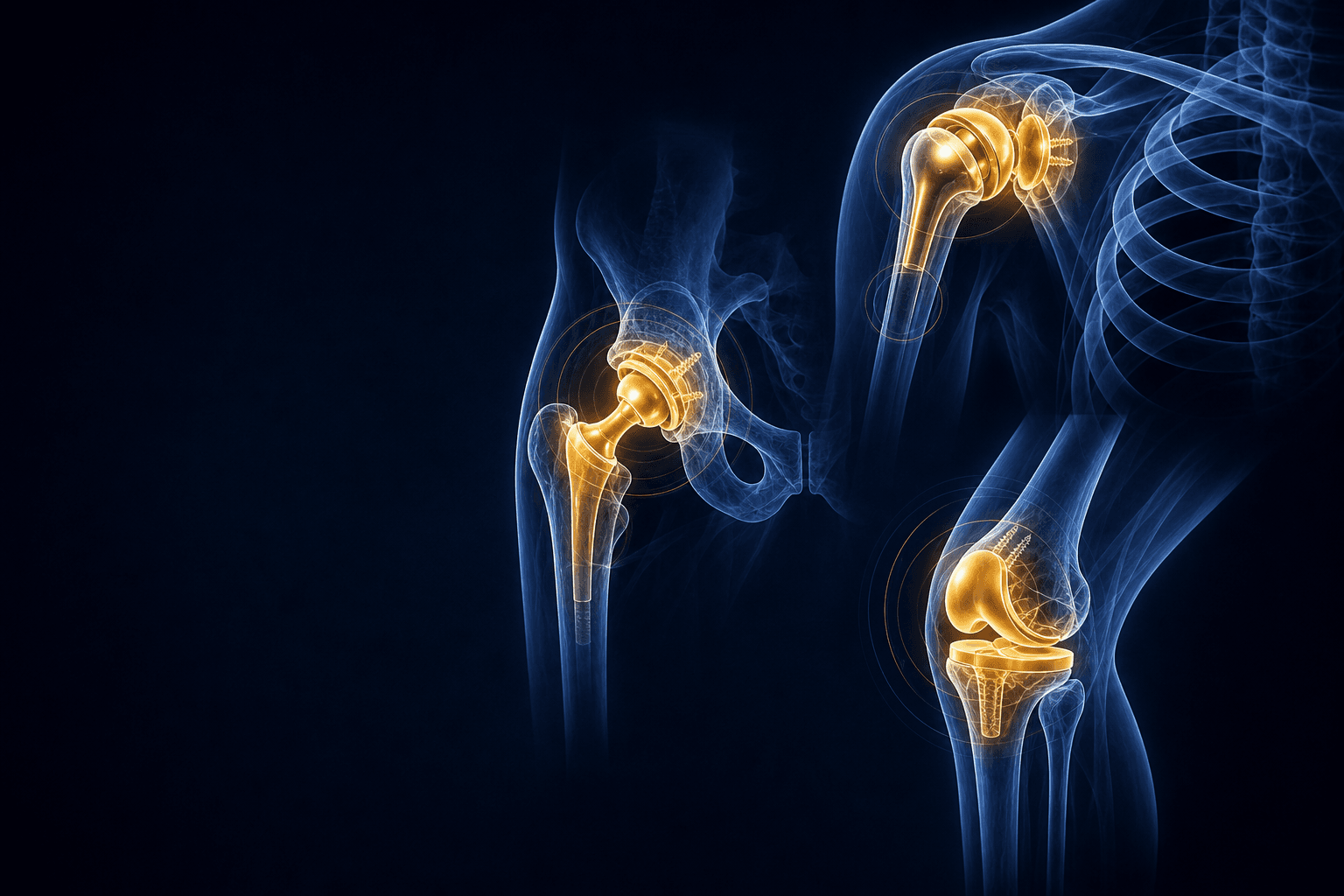
Revision Hip, Knee, and Shoulder Replacement x-ray style procedure visual

Procedure overview

Procedure guidance

IOI care team

Back To Specialties

About The Procedure

What Patients Need To Understand First.

Revision surgery addresses problems that can occur when a hip, knee, or shoulder replacement starts to fail.

Pain, instability, infection, implant wear, loosening, soft tissue injury, or fracture can all change the next step.

The page emphasizes a rigorous process to find the root cause before determining the best revision plan.

Clinical Fit

Candidacy Depends On The Details.

  • Pain, discomfort, lack of motion, or instability after replacement should be discussed with an experienced surgeon.
  • Revision surgery can be more complex than first-time replacement.
  • The appropriate course depends on the root cause and expected risks and benefits.

Warning signs

Several problems can make revision necessary after a prior replacement.

  • Pain or instability soon after replacement may be caused by infection or implant placement concerns.
  • Plastic implant components can wear out over time.
  • Implants can loosen as bone cement breaks down.
  • Soft tissue injuries or traumatic injuries involving broken bones may affect replacements.

Finding the problem

Revision planning starts by identifying why the replacement is painful, unstable, loose, infected, or not functioning as expected.

  • Ordering infection labs.
  • Reviewing records from the original surgery.
  • Using advanced imaging and diagnostic testing.

What To Expect

A Procedure Path, Not A Guess.

01

Review history

The team reviews the original surgery details, symptoms, and implant information.

02

Find cause

Labs, records, imaging, and diagnostic testing help identify the source of pain or instability.

03

Plan revision

Revision planning depends on bone, soft tissue, infection status, implant condition, and patient health.

Recovery Planning

Recovery Has A Sequence.

Recovery timing depends on the procedure, the patient, and the surgeon's guidance.

01

Varies by cause

Every revision surgery is different.

02

Instability

Patients with early instability may recover faster after a stable joint is restored.

03

Complexity

Patients with infection or long-term issues may take longer to recover based on the nature of the revision.

Specialists

Doctors Who Match This Procedure.

View All Doctors
Dr. R. Michael Meneghini headshot

Hip and Knee Replacement Surgeon

Dr. R. Michael Meneghini

View Profile
Dr. Carlos Belmar headshot

Hip and Knee Replacement Surgeon

Dr. Carlos Belmar

View Profile
Dr. T. Kyle Stoops headshot

Hip and Knee Replacement Surgeon

Dr. T. Kyle Stoops

View Profile
Dr. Timothy Williams headshot

Hip and Knee Replacement Surgeon

Dr. Timothy Williams

View Profile
Dr. Brian Murphy headshot

Hip and Knee Replacement Surgeon

Dr. Brian Murphy

View Profile

Your Best Move Starts Here.

Let our team help you find relief and get back to doing what you love.

Request Appointment